
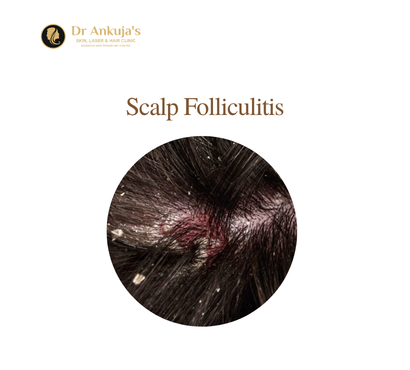
An itchy scalp with small, painful bumps can be more than just dandruff or irritation. In many cases, it’s a condition called scalp folliculitis, which occurs when hair follicles become inflamed due to infection, irritation, or blockage. While mild cases may resolve on their own, persistent folliculitis can lead to discomfort, scarring, and even hair loss if left untreated.
This blog explains the causes, symptoms, and relief strategies for scalp folliculitis, helping patients understand when to seek medical care and how to manage the condition effectively.
What is Scalp Folliculitis?
Scalp folliculitis is an inflammatory condition where hair follicles become infected or irritated, leading to red, itchy, or pus-filled bumps. It can affect anyone, but is more common in individuals with oily scalps, poor hygiene, or weakened immunity.
Causes of Scalp Folliculitis
- Bacterial Infection: Staphylococcus aureus is the most common culprit.
- Fungal Infection: Yeast or fungi can trigger follicle inflammation.
- Blocked Follicles: Excess oil, sweat, or product buildup.
- Irritation: Tight helmets, hats, or harsh hair products.
- Underlying Conditions: Diabetes, dermatitis, or weakened immunity.
Symptoms of Scalp Folliculitis
- Small red or white bumps on the scalp
- Itching, burning, or tenderness
- Pus-filled blisters that may crust over
- Hair breakage or localized hair loss
- Pain when combing or touching the scalp
If these symptoms persist, consult a Dermatologist in Pune. Clinics such as the Hair Transplant Clinic in Pune provide diagnostic support and advanced treatments for scalp folliculitis.
Risk Factors
- Excessive sweating
- Poor scalp hygiene
- Frequent use of oily hair products
- Wearing tight headgear for long hours
- Hot and humid climates (common in India)
Relief & Management Tips
Home Care
- Wash scalp regularly with mild, medicated shampoos.
- Avoid scratching or picking bumps to prevent infection spread.
- Use warm compresses to soothe irritation.
- Keep scalp dry and clean after workouts.
Medical Treatments
- Topical Antibiotics: Creams or lotions to control bacterial infection.
- Antifungal Shampoos: For yeast-related folliculitis.
- Oral Medications: Antibiotics or antifungals for severe cases.
- PRP Therapy: Helps restore follicle health in cases with hair loss.
- Hair Transplant Options: Advanced techniques like Sapphire FUE Hair Transplant or Direct Hair Implantation (DHI) may be considered if folliculitis leads to permanent hair loss.
Prevention Tips
- Maintain scalp hygiene with gentle shampoos.
- Avoid heavy oils and sticky hair products.
- Keep helmets and hats clean.
- Manage sweat by washing hair after workouts.
- Strengthen immunity with balanced nutrition.
Scalp folliculitis is a common but often overlooked condition. While mild cases may resolve with hygiene measures, persistent or severe folliculitis requires medical attention. Recognizing early symptoms and adopting preventive care can protect scalp health and prevent hair loss. With proper treatment and lifestyle adjustments, relief from itchy bumps is possible.
FAQs
Q1. Can scalp folliculitis cause permanent hair loss?
Yes, if left untreated, chronic folliculitis can damage follicles and lead to scarring alopecia.
Q2. Is scalp folliculitis contagious?
Mild cases are not contagious, but bacterial infections can spread if hygiene is poor.
Q3. Should I oil my hair if I have folliculitis?
Avoid heavy oils as they may worsen blockage. Use light, non-comedogenic products if needed.