
Most people think of hair loss as a gradual thinning or receding hairline. But there are rare conditions where hair loss is not just cosmetic — it’s linked to inflammation and scarring of the scalp. One such condition is lichen planopilaris (LPP). Though uncommon, it can cause permanent damage if ignored.
In India, awareness about LPP is limited, and many patients mistake it for dandruff or routine shedding. This article breaks down what LPP really is, how it presents itself, and what steps can be taken to manage it.
What Exactly is Lichen Planopilaris?
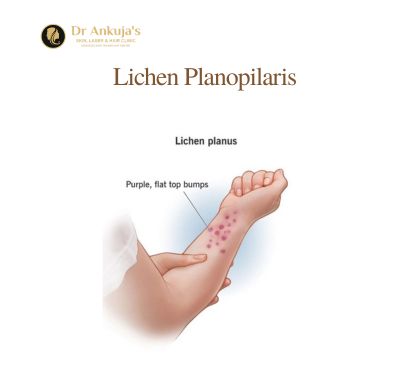
LPP is a rare inflammatory disorder that affects hair follicles. It belongs to the family of lichen planus conditions, which can affect skin, nails, and mucous membranes. In LPP, the immune system mistakenly attacks hair follicles, leading to scarring alopecia — meaning once the follicle is destroyed, hair cannot regrow.
How Does LPP Present?
Unlike typical hair fall, LPP has distinct features:
- Patchy hair loss with shiny, scarred areas on the scalp
- Redness and scaling around follicles
- Burning or itching sensation in affected areas
- Tenderness or pain when touching the scalp
- Permanent bald patches if untreated
👉 If you notice these unusual symptoms, it’s important to consult a Dermatologist in Pune. Clinics such as the Hair Transplant Clinic in Pune can help with early diagnosis and management before scarring progresses.
Causes and Risk Factors
The exact cause of LPP is not fully understood, but several factors are believed to play a role:
- Autoimmune response: The body’s defense system attacks healthy follicles.
- Genetic predisposition: Family history of autoimmune conditions.
- Hormonal influences: Some cases are linked to menopause or hormonal imbalance.
- Environmental triggers: Stress, infections, or certain medications may worsen symptoms.
Diagnosis
Doctors usually rely on:
- Clinical examination: Checking scalp for redness, scaling, and scarring.
- Trichoscopy: A magnified view of follicles to detect inflammation.
- Biopsy: A small scalp sample to confirm autoimmune activity.
Management and Treatment Options
Medical Treatments
- Topical corticosteroids: Reduce inflammation around follicles.
- Oral medications: Immunosuppressants like hydroxychloroquine may be prescribed.
- Anti-inflammatory shampoos: To soothe scalp irritation.
Supportive Care
- Gentle hair care routines with mild shampoos.
- Avoiding tight hairstyles that stress follicles.
- Stress management through yoga or meditation.
Advanced Options
Once scarring sets in, regrowth is not possible. In such cases, hair transplant techniques like Sapphire FUE Hair Transplant or Direct Hair Implantation (DHI) may be considered to restore cosmetic appearance.
Living with LPP
The emotional impact of permanent hair loss can be significant. Patients often feel anxious or self-conscious. Support groups, counseling, and open communication with family can help manage the psychological burden.
Lichen planopilaris is rare but serious. Unlike common hair fall, it causes scarring alopecia, which is irreversible if untreated. Recognizing early signs — redness, burning, and patchy bald spots — is crucial. With timely medical care, lifestyle adjustments, and advanced transplant options, patients can manage the condition and regain confidence.
FAQs
Q1. Is lichen planopilaris curable?
There is no complete cure, but treatments can slow progression and reduce symptoms.
Q2. Can hair grow back after scarring alopecia?
No, once follicles are scarred, regrowth is not possible. Cosmetic options like transplants may help.
Q3. Does stress worsen LPP?
Yes, stress can trigger flare-ups and worsen inflammation.