
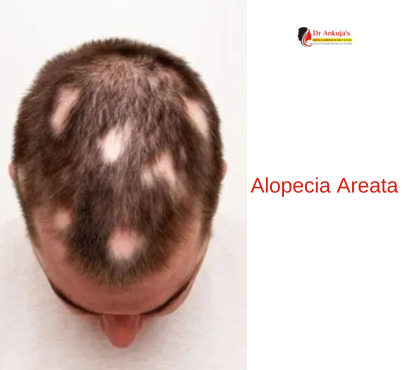
Alopecia areata is an autoimmune condition that results in sudden, patchy hair loss and affects people of all ages, including children and adults in India. Though it is commonly known for causing bald spots on the scalp, alopecia areata has a complex nature involving the immune system attacking healthy hair follicles. The unpredictability of hair loss and regrowth, emotional distress, and the absence of a definitive cure make understanding this condition vital for patients and caregivers. This detailed blog explores the symptoms, underlying causes, risk factors, and the most effective treatment options available today for alopecia areata.
What Is Alopecia Areata?
- Autoimmune nature: The body’s immune system mistakenly targets hair follicles, causing them to shrink and stop producing hair.
- Patterns of hair loss: Typically presents as smooth, round or oval bald patches on the scalp, but may involve other hair-bearing areas.
- Non-scarring hair loss: Unlike other types of hair loss, the scalp usually remains healthy without scarring or permanent damage to follicles.
- Variable course: Some people experience single episodes with full regrowth, others have recurrent or chronic hair loss.
Symptoms of Alopecia Areata
- Sudden onset of round or oval bald patches on the scalp or body
- Hair loss can progress to total scalp hair loss (alopecia totalis) or entire body hair loss (alopecia universalis) in severe cases
- Nails may show pitting, brittleness, or ridging in some patients
- Itching, tingling, or burning sensations sometimes precede hair loss
- Psychosocial impact: anxiety, low self-esteem, social withdrawal
Causes and Risk Factors
- Genetic Predisposition: Family history increases likelihood; specific genes linked to immune system function implicated.
- Environmental Triggers: Viral infections, physical or emotional stress, vaccinations, and certain medications may initiate an episode.
- Associated Autoimmune Diseases: Higher incidence in patients with thyroid disorders, vitiligo, pernicious anemia, and others.
- Vitamin and Mineral Deficiencies: Low vitamin D, zinc, biotin, and iron levels have been observed in some patients, potentially exacerbating the condition.
Diagnosis
- Clinical examination: Characteristic patchy hair loss without scarring
- Pull test: Gently tugging hair to check how many come out
- Dermatoscopy: Examination of scalp and hair follicles for signs typical of alopecia areata
- Blood tests: To rule out associated thyroid or autoimmune diseases and check vitamin deficiencies
- Biopsy: Rarely needed, but confirms diagnosis in unclear cases
Treatment Approaches
Note: No permanent cure exists, but treatments aim to suppress immune activity, promote regrowth, and manage psychological impact.
1. Corticosteroids
- Topical: Creams or ointments reduce inflammation for small patches
- Intralesional injections: Steroids injected directly into bald patches promote faster regrowth
- Oral corticosteroids: Reserved for extensive or rapidly progressing cases; short-term use is advised due to side effects
2. Topical Immunotherapy
- Chemicals like diphencyprone or squaric acid dibutylester are applied to provoke a mild allergic reaction, tricking the immune system to shift focus away from hair follicles. It may stimulate regrowth over months with repeated treatment.
3. Minoxidil (Rogaine)
- Topical application often combined with other treatments to support and prolong hair regrowth.
4. JAK Inhibitors (New and Emerging)
- Oral Janus kinase inhibitors reduce immune system overactivity and show promise for moderate to severe alopecia areata. Long-term safety data is evolving.
5. Light and Laser Therapy
- Phototherapy using ultraviolet light or low-level laser therapy stimulates scalp circulation and follicle activity.
6. Natural and Alternative Therapies
- Acupuncture, essential oils (coconut, castor), onion juice, probiotics, and vitamins (biotin, zinc) are popular but lack strong clinical proof. May be used as adjuncts.
Living with Alopecia Areata: Support and Psychosocial Care
- Hair loss can profoundly affect mental health; counseling and support groups help manage anxiety and boost self-confidence.
- Cosmetic options include wigs, scarves, and makeup techniques.
- Educating family, schools, and workplaces creates supportive environments.
Prognosis
- Spontaneous regrowth occurs in 50% of cases within a year but relapses frequently happen.
- Long-standing or total alopecia may require ongoing treatment.
- Early treatment linked to better outcomes.
FAQ
- Can alopecia areata affect children?
Yes, it can appear at any age, often appearing suddenly with patchy hair loss requiring pediatric dermatology evaluation. - Is alopecia areata contagious?
No, it is an autoimmune condition and not transmissible person-to-person. - Does stress cause alopecia areata?
Stress may trigger or worsen the condition but isn’t the sole cause; genetics and immune factors play key roles.