
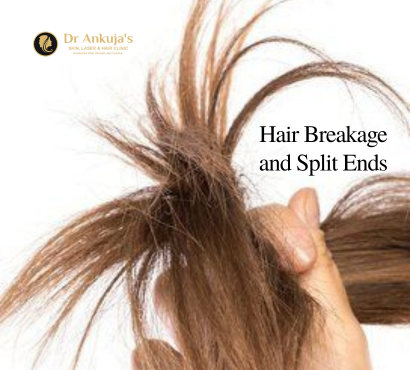
Hair breakage and split ends are among the most common hair concerns affecting both men and women. They make hair appear dry, dull, frizzy, and difficult to manage. While occasional split ends are normal, frequent breakage may indicate underlying damage caused by styling habits, environmental exposure, or nutritional deficiencies.
Understanding the causes and adopting the right hair care routine can significantly improve hair strength and overall appearance. With proper prevention strategies, most people can restore healthier hair over time.
What Are Split Ends?
Split ends occur when the protective outer layer of the hair shaft becomes damaged. This causes the hair strand to separate into two or more fragments at the tip.
This condition is medically known as trichoptilosis.
Split ends usually appear when hair loses moisture and structural strength due to repeated stress.
What Is Hair Breakage?
Hair breakage occurs when hair strands snap before completing their natural growth cycle.
Unlike normal hair fall from the roots, breakage happens along the length of the hair shaft.
Common signs include:
- uneven hair length
- rough texture
- increased frizz
- thinning ponytail volume
- short broken strands near the scalp
Recognizing the difference between breakage and hair fall helps guide proper treatment.
Common Causes of Hair Breakage and Split Ends
Several lifestyle and environmental factors weaken hair structure over time.
Excessive Heat Styling
Frequent use of styling tools such as:
- straighteners
- curling irons
- blow dryers
removes natural moisture from the hair shaft.
This leads to dryness and brittleness.
Using high heat regularly is one of the leading causes of split ends.
Chemical Hair Treatments
Repeated exposure to chemical treatments weakens hair protein bonds.
Common damaging procedures include:
- hair coloring
- bleaching
- rebonding
- perming
- smoothing treatments
Over-processing reduces hair elasticity and strength.
Overwashing Hair
Washing hair too frequently removes natural scalp oils.
These oils protect the hair shaft from environmental damage.
Dry hair becomes more prone to breakage and splitting.
Rough Handling of Wet Hair
Hair is weakest when wet.
Aggressive practices like:
- towel rubbing
- tight brushing
- combing wet strands
increase the risk of mechanical damage.
Gentle handling prevents unnecessary breakage.
Tight Hairstyles
Repeated tension from tight hairstyles may weaken hair roots and shafts.
Examples include:
- tight ponytails
- braids
- buns
- extensions
Loose styling helps reduce stress on hair strands.
Poor Nutrition
Hair health depends heavily on nutritional balance.
Deficiencies in nutrients such as:
- protein
- iron
- zinc
- biotin
- vitamin D
can weaken hair structure.
Balanced nutrition supports stronger hair growth.
Environmental Damage
External exposure also contributes to hair weakness.
Common environmental causes include:
- sunlight
- pollution
- humidity
- hard water
Protective hair care habits help reduce this damage.
Signs That Indicate Hair Damage
Recognizing early signs helps prevent severe breakage.
Warning indicators include:
- rough texture
- dull appearance
- tangled strands
- increased frizz
- reduced shine
- uneven ends
Early intervention improves recovery outcomes.
How Split Ends Affect Hair Growth
Split ends travel upward along the hair shaft if untreated.
This leads to:
- increased breakage
- slower visible hair growth
- thinning hair length
- difficulty maintaining long hair
Regular trimming prevents further damage progression.
Daily Hair Care Routine to Prevent Breakage
A consistent routine improves hair strength and elasticity.
Use a Mild Shampoo
Choose a gentle shampoo suitable for your scalp type.
Avoid products containing harsh sulfates.
Mild cleansing preserves natural moisture balance.
Condition Hair Regularly
Conditioner protects the hair shaft from dryness.
It improves:
- smoothness
- detangling ability
- elasticity
- shine
Applying conditioner mainly to mid-length and ends prevents buildup near the scalp.
Avoid Excessive Heat Styling
Limit heat styling to special occasions.
When required:
- use lower temperature settings
- apply heat protection products
- avoid repeated styling in the same area
Reducing heat exposure prevents structural damage.
Trim Hair Regularly
Trimming every 6–8 weeks helps remove damaged ends.
This prevents splits from spreading further upward.
Regular trims improve overall hair appearance.
Protect Hair During Sleep
Nighttime friction causes breakage.
Helpful protective measures include:
- sleeping on satin pillowcases
- tying loose braids
- avoiding tight rubber bands
These habits reduce overnight damage.
Choose the Right Hair Accessories
Hair accessories should not pull excessively on strands.
Prefer:
- soft scrunchies
- fabric bands
- loose clips
Avoid metal accessories that damage hair shafts.
Importance of Oil Massage for Hair Strength
Regular scalp oil massage improves circulation.
Benefits include:
- improved nourishment to hair roots
- reduced dryness
- enhanced hair texture
- relaxation and stress reduction
Natural oils commonly used include:
- coconut oil
- almond oil
- argan oil
Routine oiling supports long-term hair health.
Role of Diet in Preventing Hair Breakage
Hair requires continuous nutritional support.
Important nutrients include:
Protein
Hair is primarily made of keratin protein.
Protein-rich foods include:
- eggs
- lentils
- dairy products
- nuts
Adequate protein strengthens hair structure.
Iron
Iron supports oxygen delivery to hair roots.
Low iron levels contribute to hair weakness.
Sources include:
- spinach
- beetroot
- legumes
- jaggery
Balanced iron intake supports growth.
Biotin
Biotin supports keratin production.
Biotin-rich foods include:
- bananas
- almonds
- whole grains
- peanuts
Adequate intake improves hair strength.
Zinc
Zinc supports tissue repair and growth.
Sources include:
- pumpkin seeds
- chickpeas
- cashews
Zinc deficiency increases breakage risk.
Hydration and Hair Health
Water supports scalp moisture balance.
Poor hydration leads to:
- dryness
- brittle strands
- reduced shine
Adequate daily water intake supports healthy hair texture.
Professional Treatments for Severe Hair Damage
Some cases require medical or dermatological support.
Available options include:
- deep conditioning therapies
- protein repair treatments
- scalp health evaluation
- nutritional correction plans
Professional guidance improves treatment success.
Long-Term Strategies for Stronger Hair
Maintaining strong hair requires consistent habits.
Helpful strategies include:
- balanced nutrition
- gentle styling
- reduced chemical exposure
- stress management
- proper hydration
These steps promote healthier hair growth cycles.
FAQ
Can split ends be repaired without trimming?
Split ends cannot permanently rejoin once damaged. Trimming remains the most effective solution to remove them and prevent further splitting.
How often should hair be trimmed to prevent breakage?
Hair trimming every 6–8 weeks helps maintain healthy ends and reduces split-end progression.
Does oiling hair prevent breakage?
Yes. Regular oiling improves moisture retention, reduces dryness, and strengthens hair strands over time.