
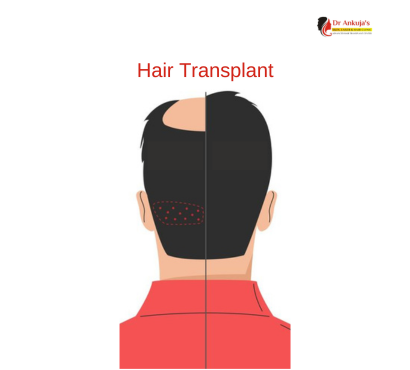
Hair thinning steals confidence daily, but transplants deliver lifelong density—if you’re the right fit. India’s world-class clinics make FUE affordable at 1/3 global prices, yet rushing in without matching criteria leads to 20-30% dissatisfaction. This guide cuts through hype to real candidacy.
Understanding Hair Loss Stages for Transplant Fit
Pattern baldness (androgenetic alopecia) Norwood-Hamilton scale 3+ with 2-year stability signals readiness—temples receding predictably, vertex thinning moderately. Women Ludwig I-II post-menopause. Stable traction alopecia or scarring suits partial coverage. Diffuse unpatterned alopecia areata disqualifies as donor thins too. India sees peak demand men 28-45, genetic from 20s.
Trial medical therapy 12 months first; non-responders prime candidates.
Perfect Candidate Checklist
Stable loss 2+ years, age 25-55 for pattern prediction. Donor density ≥40 follicular units/cm² at occiput/sides (6,000+ total safe harvest). Healthy scalp—no active psoriasis, keloids, uncontrolled diabetes (heals poor). Realistic goals: frame hairline, not teen density. Young flexible scalps yield best. Non-smokers, BMI<30 optimize graft survival 95%.
Red flags: ongoing rapid loss, poor vascularity, psychological distress expecting miracles. Consult dermatologist via trichoscopy/densitometry.
FUE vs FUT vs DHI: Technique Match
FUE: motorized punches extract 2,500-4,000 grafts/session, no linear scar, heals 7-10 days—ideal buzzcuts, multiple sessions. FUT: strip harvest max 5,000+ grafts one go, microscope precision, linear scar hides long hair—advanced baldness. DHI: direct implanters control depth/angle, no slits, premium pricing. India FUE dominates 85% for scarless appeal in humid climates.
Hybrids NW6 crowns. Robotic ARTAS precise but ₹2x cost.
Compelling Pros Backed by Outcomes
Permanent DHT-resistant follicles grow 0.4mm/month lifelong, 90-95% survival skilled hands. Natural 40-60FU/cm² density, undetectable angles. Psychological boost: 85% report confidence surge in studies. FUE downtime 3-5 days work return. Scalp laxity preserved for future. India surgeons master coarse Asian hair textures.
Complements PRP/minoxidil maintaining natives.
Honest Cons and Risk Realities
Upfront ₹60k-2.5L (2,500 grafts); progression requires lifelong finasteride (60% halt). Shock loss sheds 30% natives temporarily (regrows 4 months). Postoperative swelling/itch 7-14 days, crusting 10 days. FUE dot scars visible <2mm buzz. Unskilled: doll-plug look, overharvest “moth-eaten” donor. Infection<1%, necrosis 0.1%. Patience needed—full results 12-18 months.
Not viable thin donors.
| Aspect Comparison | FUE Pros/Cons | FUT Pros/Cons | Survival Rate |
| Scarring | Dots invisible | Linear hidden | 95% |
| Grafts/Session | 3,000 max | 5,000+ | 92% |
| Recovery | 7 days | 14 days | – |
| Cost India | ₹50k avg | ₹70k avg | |
Detailed Procedure Day Experience
Consult: digital design, graft estimate (1,500 hairline, 3,000 crown). Pre-op: shave donor (FUE), antibiotics, PRP optional. 6-10hr under tumescent local—extract prone, implant supine. Night: elevate head, no bending. India clinics offer AC luxury suites.
Recovery Roadmap with Timelines
Days 1-3: ice swelling, antibiotics, rest. Day 4: gentle wash. Week 1: hat outdoors, desk work. Week 2: minoxidil restarts, light gym. Month 1: shedding normal, 10% growth. Months 3-6: thickening waves. Year 1: mature. 98% take if no smoking/sun. Itch peaks day 10—steroid lotions.
India Cost Breakdown 2026
₹40-80/graft: Pune ₹45 avg, Delhi ₹60 premium. 2,000 grafts ₹80k-1.6L packages (hotel/follow-ups). Factors: technique, reputation, grafts. Vs US ₹3-5L same. EMI, insurance rare. Long-term: beats wigs ₹20k/year.
Smart Alternatives If Not Ideal
Diffuse young: finasteride+minox 65% stabilize, low-level laser FDA-cleared 25% thicken. PRP 6 sessions/year 40% density. SMP micropigmentation illusion. Toppers/wigs natural short-term. Transplant post-stabilization. Consult dermatologist for non-invasive first.
Decision-Making Framework
Score scalp: donor 8/10, stability yes, expectations realistic? Review 200+ clinic photos same ethnicity. Cost-benefit 20 years. Trial meds 18 months. India advantages: English, hospitality, skill exodus from ISHRS. Right fit=transformative.
FAQ
- What donor density qualifies for hair transplant?
Minimum 40 follicular units/cm² in occiput allows safe harvest of 4,000-6,000 grafts without depleting future options, confirmed via densitometer—below 30/cm² shifts to alternatives like SMP.
- Does hair transplant stop further balding?
No, transplanted DHT-resistant follicles thrive permanently, but native hairs continue miniaturizing unless managed with finasteride/minoxidil (60-70% efficacy), requiring combined approach for frame maintenance.
- How long until full natural results post-transplant?
Initial shedding month 1 is normal; 50% growth by month 6, 80% by 9 months, full mature density/texture at 12-18 months with proper care, as follicles cycle through telogen phases