
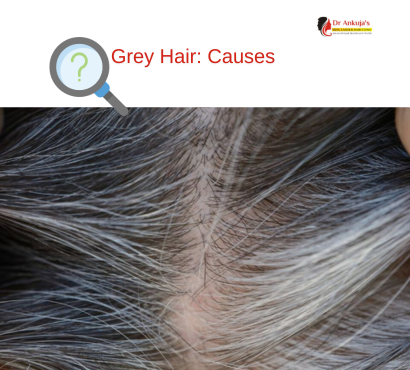
Spotting your first grey hair can be surprising—especially when it happens earlier than expected. While greying hair is often associated with aging, many people in their 20s or even late teens notice strands turning white or silver. This phenomenon, known as premature greying, is becoming increasingly common in India due to a combination of lifestyle, environmental, and genetic factors.
But what actually causes hair to turn grey? Is it reversible? And more importantly—can it be prevented?
In this blog, we’ll explore the science behind grey hair, debunk common myths, and understand what truly influences premature greying.
What Causes Hair to Turn Grey?
Hair color is determined by a pigment called melanin, which is produced by specialized cells known as melanocytes in hair follicles.
There are two main types of melanin:
- Eumelanin – responsible for black and brown shades
- Pheomelanin – responsible for red and yellow tones
As we age, melanocyte activity gradually slows down. Eventually, these cells stop producing pigment altogether, leading to grey or white hair.
The Scientific Process
- Hair follicles produce melanin during the growth phase
- With time, melanocyte stem cells get depleted
- Reduced pigment leads to lighter hair
- No pigment = completely white hair
Premature Greying: When Is It Considered Early?
Premature greying varies across populations, but generally:
- Before age 20 in Caucasians
- Before age 25 in Asians (including Indians)
- Before age 30 in African populations
If you notice significant greying before these ages, it is considered premature.
Major Causes of Premature Greying
1. Genetics (The Biggest Factor)
If your parents or grandparents experienced early greying, chances are you might too. Genetics largely determine when your melanocytes begin to decline.
👉 This is why some individuals experience greying in their early 20s despite having a healthy lifestyle.
2. Vitamin Deficiencies
Deficiencies in essential nutrients can directly impact melanin production:
- Vitamin B12 deficiency – one of the most common causes
- Iron deficiency – affects oxygen supply to hair follicles
- Folic acid deficiency – impacts cell regeneration
- Vitamin D deficiency – linked to hair follicle health
👉 In India, nutritional deficiencies are a significant contributor to early greying due to dietary imbalances.
3. Stress and Lifestyle Factors
Chronic stress has been scientifically linked to hair greying. Stress can:
- Damage melanocyte stem cells
- Increase oxidative stress in the body
- Accelerate aging processes
Modern lifestyle factors such as:
- Poor sleep
- High screen time
- Irregular eating habits
can all contribute to premature greying.
4. Oxidative Stress
Our body naturally produces free radicals, but when their levels increase, they damage cells—including melanocytes.
This imbalance is known as oxidative stress, and it:
- Reduces melanin production
- Accelerates hair aging
- Leads to premature greying
5. Hormonal Imbalance
Hormones play a critical role in regulating body functions, including hair pigmentation.
Conditions like:
- Thyroid disorders
- PCOD (in women)
- Hormonal fluctuations
can influence early greying.
6. Smoking
Smoking has been strongly linked to premature greying. It:
- Reduces blood flow to hair follicles
- Increases oxidative stress
- Damages DNA of melanocytes
Studies show smokers are significantly more likely to develop grey hair early.
7. Medical Conditions
Certain conditions may trigger early greying:
- Autoimmune disorders
- Vitiligo
- Alopecia areata
These conditions may attack pigment-producing cells, leading to white patches or greying.
Common Myths About Grey Hair
❌ Myth 1: Plucking One Grey Hair Causes More to Grow
✔️ Truth: Plucking does not increase grey hair, but repeated plucking can damage follicles.
❌ Myth 2: Grey Hair Can Turn Black Again Naturally
✔️ Truth: Once melanin production stops, the change is usually permanent.
❌ Myth 3: Oil Can Reverse Grey Hair
✔️ Truth: Oils improve hair health but do not restore pigment.
❌ Myth 4: Only Older People Get Grey Hair
✔️ Truth: Premature greying is common in younger individuals today.
Can Premature Greying Be Reversed?
In most cases, complete reversal is not possible, especially if it is genetic. However, in cases caused by deficiencies or medical issues, early intervention may help:
- Correcting vitamin deficiencies
- Managing stress
- Treating underlying conditions
👉 Early diagnosis plays a key role.
How to Prevent Premature Greying
While not all cases are preventable, these steps can slow down the process:
1. Improve Your Diet
Include:
- Leafy greens
- Nuts and seeds
- Dairy products
- Fruits rich in antioxidants
2. Manage Stress
- Practice meditation or yoga
- Maintain a healthy sleep cycle
- Take regular breaks from work
3. Avoid Harsh Chemicals
Frequent use of:
- Hair dyes
- Chemical treatments
- Heat styling tools
can damage hair health.
4. Stay Hydrated
Hydration helps maintain overall scalp and hair health.
5. Quit Smoking
This is one of the most effective steps to prevent premature aging of hair.
Treatment Options for Grey Hair
While reversing grey hair is difficult, several options can help manage it:
1. Hair Coloring
The most common solution:
- Temporary dyes
- Permanent hair colors
- Natural options like henna
2. Nutritional Supplements
If deficiencies are diagnosed, supplements may help improve hair quality.
3. Scalp Treatments
Advanced therapies may improve scalp health and hair growth.
4. Hair Restoration Techniques
In certain cases, treatments like pigmentation or transplantation may be considered for aesthetic improvement.
Psychological Impact of Premature Greying
Grey hair can affect confidence, especially in younger individuals. It may lead to:
- Self-consciousness
- Reduced self-esteem
- Social anxiety
👉 It’s important to understand that grey hair is a natural biological process and increasingly common today.
When Should You See a Doctor?
- Greying occurs very early (teens or early 20s)
- Hair fall accompanies greying
- You have symptoms of thyroid or vitamin deficiency
- There are patchy white areas
Conclusion
Grey hair is a natural part of aging, but premature greying is influenced by multiple factors including genetics, nutrition, stress, and lifestyle habits. While it may not always be reversible, understanding the root cause can help you manage it effectively.
With the right care, balanced nutrition, and healthy lifestyle choices, you can maintain not just your hair color—but overall hair health.
FAQs
1. Can vitamin supplements stop grey hair?
If greying is caused by deficiencies like Vitamin B12 or iron, supplements may slow down the process. However, they cannot reverse genetically caused grey hair.
2. Is premature greying common in India?
Yes, due to lifestyle changes, stress, pollution, and dietary factors, premature greying is increasingly common among young individuals in India.
3. Can stress alone cause grey hair?
Stress is a contributing factor but usually not the only cause. It accelerates oxidative damage, which may speed up the greying process.